ASCENDING ELEVATIONPOOKODE, WAYANAD 2026
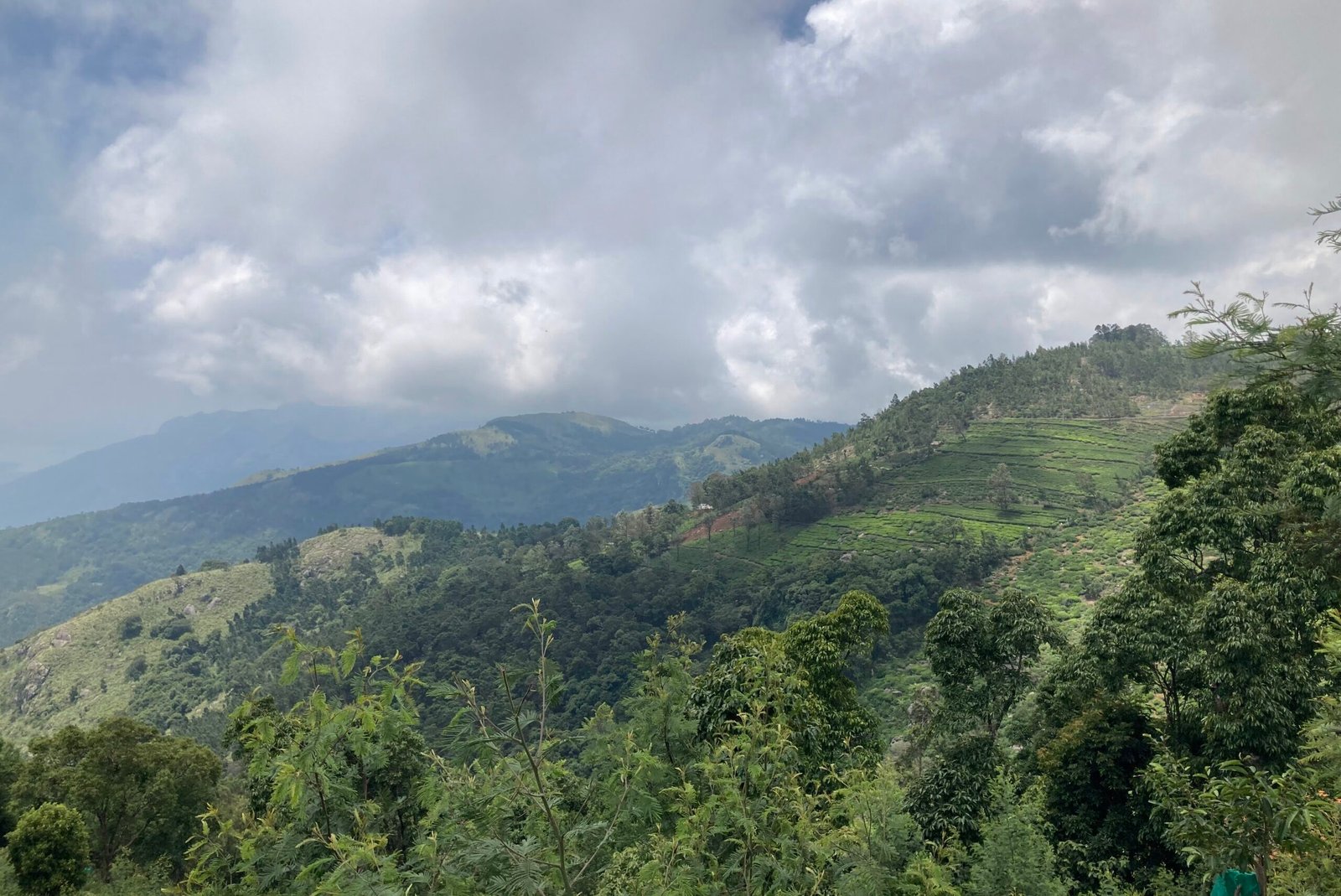
“The Western Ghats are significantly older than the Himalayas. Geological antiquity and tectonic rifting have provided a stable sanctuary where life has evolved and diversified over millions of years.”
The Western Ghats, also known as the Sahyadri or “benevolent mountains,” form a majestic 1,600-kilometre-long chain running parallel to the western coast of the Indian peninsula. This UNESCO World Heritage site spans six states — Gujarat, Maharashtra, Goa, Karnataka, Kerala, and Tamil Nadu — and is celebrated as one of the world’s most biodiverse regions. The astonishing array of ecosystems, ranging from tropical rainforests and high-altitude shola grasslands to countless waterfalls and serene rivers, solidifies its status as a global biodiversity hotspot.
The range earned the name ‘Ghats’, meaning ‘stairway’ or ‘steps’, from its distinct step-like morphology, which can be broadly categorised into three altitudinal zones: the Highlands, Midlands, and Lowlands. Each zone is defined by its elevation, slope, and unique ecological characteristics.
While the northern edge of the Indian plate was colliding against the Eurasian plate to form the Himalayas, its western margin was undergoing a different, massive geological process: thermally induced continental rifting. Unlike the active, convergent northern boundary, the western margin was a passive, trailing edge, being pulled apart by forces associated with this rifting. As the Indian plate drifted northeastward, the western section began to separate from the Madagascar and Seychelles plates. This rifting caused the landmass to split, with seafloor spreading creating a new ocean basin between the diverging continental fragments.
After its detachment from Gondwana, the Indian plate drifted over the Réunion hotspot — a volcanic upwelling in the Earth’s mantle. A massive eruption from this hotspot around 65 million years ago produced the Deccan Traps, the vast plateau of basalt lava that covers much of central India.
The Western Ghats are significantly older than the Himalayas. This geological antiquity has provided a long and relatively stable environment, allowing life to evolve and diversify over millions of years without the extreme disruptions caused by major ongoing mountain-building events. Beyond this ecological treasure, these verdant highlands serve as a vital water tower for peninsular India.
In 2011, the Western Ghats Ecology Expert Panel (WGEEP), chaired by Madhav Gadgil, submitted a landmark report focused on the protection and sustainable development of the region. Despite its scientific rigour and foresight, the Gadgil Report has remained largely unimplemented. As Gadgil has reiterated, a lasting solution lies in the effective implementation of the Forest Rights Act (FRA), particularly the assignment of Community Forest Rights to the indigenous populations who have inhabited these forests for generations.