ASCENDING ELEVATIONPOOKODE, WAYANAD 2026
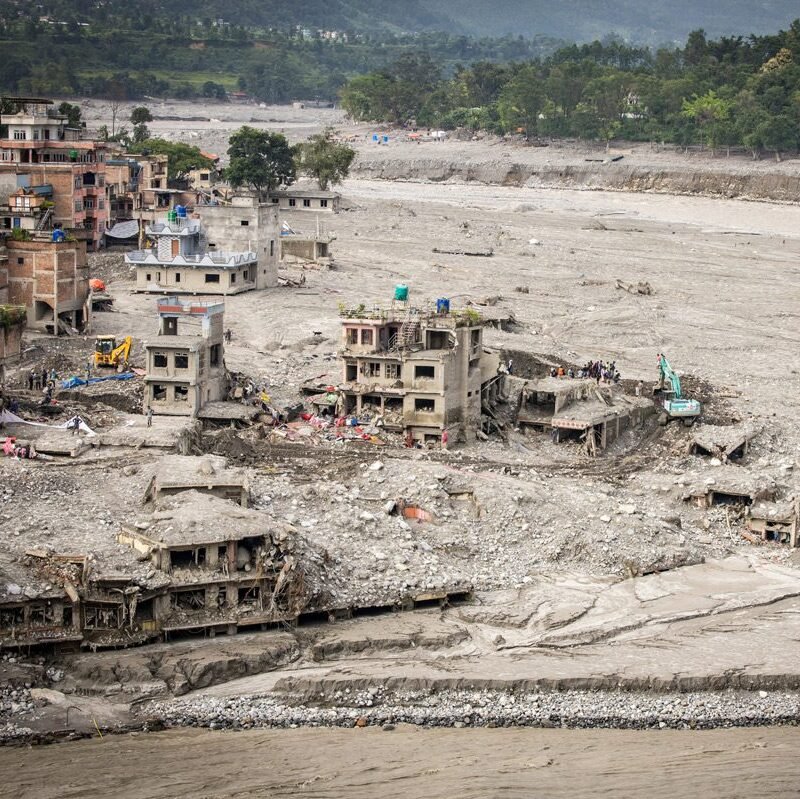
“Amid polarising climate politics, the impacts of climate change are vastly unequal. As Nepal’s cascading disaster on August 26 showed, climate pragmatism in wealthy nations sacrifices the justice and survival of frontline mountain communities.”
Amid polarising climate politics, the impacts of climate change are vastly unequal. As Nepal’s cascading disaster on August 26 showed, climate pragmatism in wealthy nations sacrifices the justice and survival of frontline mountain communities.
Stretching 3,500 km across eight countries, the Hindu Kush Himalaya (HKH) faces an escalating risk of cascading disasters—where an initial hazard triggers compound landslides, flash floods, and debris flows. A recent disaster in Nepal’s Rasuwa district claimed over 1,400 lives and displaced more than 5,500 people.
Yet in the global North, political discourse turns toward 'climate pragmatism'—licensing new oil drilling and retreating from ambitious climate commitments while tightening anti-immigration borders. Frontline mountain communities contribute the least to global emissions but bear the crushing burden of ecological collapse. A just transition demands listening to mountain communities, recognizing loss beyond mere statistics, and centering climate justice and reparations at the heart of global climate action.