
ASCENDING ELEVATIONPOOKODE, WAYANAD 2026
“This is not a crisis of nature. It is a crisis of priorities. And unless we learn to regulate how we develop – and for whom – the Himalayas will keep reminding us of the price of our negligence.”
On August 11, 1997, the quiet valleys of Chirgaon in Himachal Pradesh turned into a nightmare as a cloudburst triggered massive floods and landslides, killing over 200 people. The tragedy was blamed on nature. But in truth, it was a man-made disaster – the result of reckless decisions, unsustainable development, a crisis fuelled by climate change, corporate-led exploitation of fragile mountain regions, and a continued disregard for scientific planning and local knowledge.
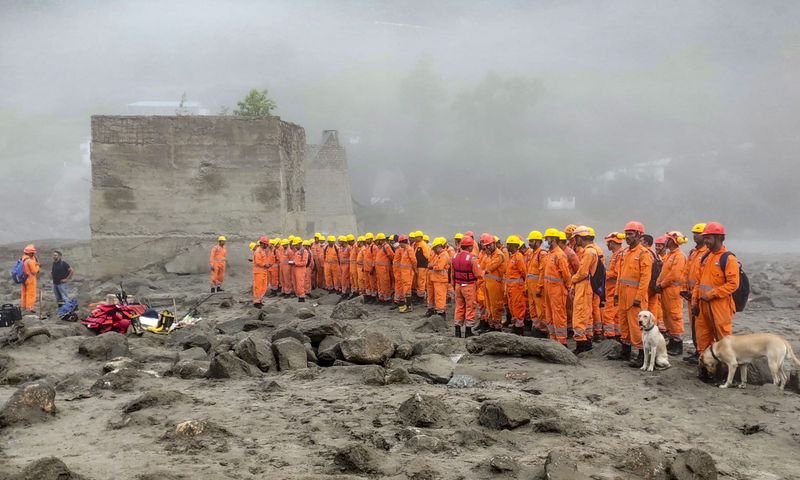
Now, in 2025, the devastation unfolds once again—first striking Himachal Pradesh with flash floods and landslides, and soon after sweeping into Uttarakhand, following the same tragic pattern of destruction we've seen before. Flash floods, landslides, cloudbursts – the symptoms are all too familiar. But so is the cause. Because this isn't just a climate story. It's a story of unchecked greed, a broken governance system, and the corporate commodification of the Himalayas – a fragile ecosystem being pushed to collapse under the weight of profit-first development.
In the Himalayan hills, we have created a dangerous mix of development and neglect. First, we built roads near rivers, which naturally became focal points for small towns. Around these roads, schools, private clinics, shops, hotels, and homestays emerged, attracting people from surrounding villages in search of livelihoods, better education, and healthcare. However, many of these towns developed either on floodplains or on unstable slopes—locations that are inherently unsafe in the fragile Himalayan terrain. Despite this, multi-storey buildings were allowed to be constructed, often without adequate regulation or geological assessment.
Take the example of Dharali. The original village, located at a safer, higher elevation, remained unaffected. But the newer Dharali, which grew on alluvial fans of glacier-fed rivers, was devastated when water mixed with glacial slush followed its natural course and swept away hundreds of buildings.
We need real action: a total ban on construction in high-risk zones, mandatory environmental impact assessments, community-led disaster planning, ecosystem restoration, and strict accountability for violations. Until these steps are enforced—not just proposed—disasters like Thunag and Dharali won't be natural tragedies. They'll be man-made crimes.